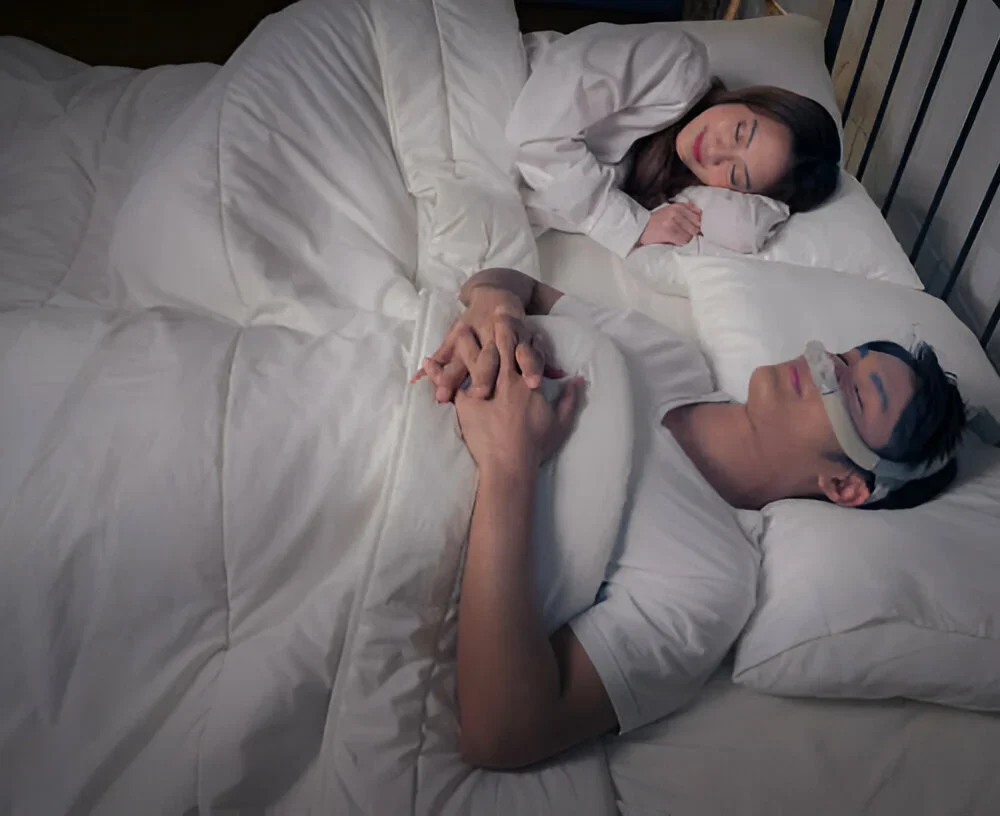
Last Updated on March 10, 2026 by Beth Skwarecki
Obstructive sleep apnea (OSA) is a serious sleep disorder affecting millions of Americans, where the airway repeatedly collapses during sleep. It causes breathing pauses, loud snoring, and daytime fatigue. If you are searching for the sleep apnea ICD 10 code, or specifically the ICD 10 code for OSA, you’re likely dealing with diagnosis, billing, insurance claims, or treatment planning.
The primary ICD 10 code for OSA is G47.33. This billable code covers obstructive sleep apnea (adult) (pediatric) and is the standard used by healthcare providers, sleep specialists, and billing teams across the US for accurate documentation and reimbursement.
Let’s break down the ICD 10 code for obstructive sleep apnea, related codes (including snoring ICD 10), when to use each, and why precise coding matters for patients and providers.
What is Obstructive Sleep Apnea?
breathing during sleep due to the relaxation of throat muscles, which causes airway obstruction. This condition affects millions worldwide, often leading to significant health issues if left untreated.
Symptoms of OSA:
- Loud snoring, often accompanied by gasping or choking sounds
- Excessive daytime sleepiness and fatigue
- Morning headaches
- Difficulty concentrating and mood changes
Risk Factors:
- Obesity: Excess weight can contribute to airway obstruction.
- Age: The likelihood of developing OSA increases with age.
- Family History: A genetic predisposition can elevate risk.
- Lifestyle Factors: Smoking, alcohol consumption, and sedentary behavior are significant contributors.
Understanding OSA is vital for early detection and treatment, which can greatly improve quality of life and reduce the risk of serious complications like cardiovascular disease and diabetes.
What Is the ICD-10 Code for Obstructive Sleep Apnea?
The official ICD 10 code for OSA (obstructive sleep apnea) is:
G47.33 – Obstructive sleep apnea (adult) (pediatric)
- Billable/Specific: Yes
- Effective Date: The 2026 edition became effective October 1, 2025
- Category: G47 (Sleep disorders) under Diseases of the nervous system
- Applicable To: Obstructive sleep apnea hypopnea
- Excludes: Primary sleep apnea of newborn (P28.3-), other specific types like central sleep apnea
G47.33 is used when a sleep study (polysomnography) confirms OSA, characterized by repeated airway obstruction leading to apneas/hypopneas, oxygen desaturation, and symptoms like excessive daytime sleepiness or loud snoring.
This code replaced older ICD-9 codes (like 327.23) and remains unchanged in the 2026 ICD-10-CM updates.
ICD-10 Codes for Sleep Apnea: Quick Comparison Table
| Condition | ICD-10 Code | Description / When to Use | Billable? | Common Related Symptoms |
|---|---|---|---|---|
| Obstructive Sleep Apnea (OSA) | G47.33 | Confirmed OSA in adults or children (most common type) | Yes | Loud snoring, breathing pauses, fatigue |
| Sleep Apnea, Unspecified | G47.30 | Type not specified or not yet differentiated | Yes | General sleep-disordered breathing |
| Primary Central Sleep Apnea | G47.31 | Brain fails to signal breathing muscles (not obstructive) | Yes | Less snoring, more central pauses |
| Other Sleep Apnea | G47.39 | Mixed or other specified apnea | Yes | Variable symptoms |
| Snoring (standalone) | R06.83 | Snoring without confirmed apnea (often a precursor symptom) | Yes | Loud snoring, no apneas on study |
Use G47.33 for confirmed obstructive sleep apnea; use R06.83 for snoring ICD 10 when no apnea is diagnosed.
Snoring ICD-10 Code: Is It the Same as Sleep Apnea?
No—snoring ICD 10 has its own code: R06.83 – Snoring.
- R06.83 is under “Symptoms, signs and abnormal clinical findings” (R00-R99)
- It’s used when snoring is the primary complaint or finding, but a sleep study has not confirmed obstructive sleep apnea
- Many people with loud, chronic snoring eventually get diagnosed with OSA (G47.33), so icd 10 for snoring is often an initial or secondary code
Key difference: Snoring alone (R06.83) doesn’t qualify for CPAP coverage in most cases—OSA diagnosis (G47.33) typically does.
Why Accurate ICD-10 Coding Matters for OSA
Proper use of the ICD 10 code for OSA ensures:
- Accurate medical records and treatment tracking
- Insurance reimbursement for sleep studies, CPAP machines, oral appliances, or surgery
- Reduced claim denials
- Better patient outcomes (e.g., addressing related risks like hypertension, heart disease)
Providers must document symptoms (e.g., AHI >5 events/hour on sleep study), severity (mild/moderate/severe), and rationale to support G47.33.
Diagnosing Obstructive Sleep Apnea
Diagnosing obstructive sleep apnea (OSA) involves a combination of clinical evaluations, patient history, and specialized sleep studies. Early and accurate diagnosis is essential for effective treatment and management of the condition.
Steps in the Diagnosis of OSA:
Medical History:
- The healthcare provider will begin by gathering a comprehensive medical history, including details about sleep patterns, symptoms, and any relevant medical conditions.
- Patients may be asked about their sleep habits, snoring, choking or gasping during sleep, and daytime fatigue.
Physical Examination:
- A physical exam may be conducted to assess factors that could contribute to OSA, such as obesity, enlarged tonsils, or other anatomical features that might block the airway.
Sleep Questionnaires:
- Patients may be asked to complete questionnaires that evaluate the severity of their symptoms and the likelihood of having OSA. The Epworth Sleepiness Scale is a common tool used for this purpose.
Polysomnography (Sleep Study):
- The gold standard for diagnosing OSA is a sleep study called polysomnography. This can be performed in a sleep clinic or, in some cases, at home.
- During the study, various physiological parameters are monitored, including:
- Brain activity (EEG)
- Eye movements (EOG)
- Heart rate (ECG)
- Oxygen levels in the blood (pulse oximetry)
- Respiratory effort and airflow
- The data collected helps determine the frequency and severity of apneas and hypopneas (partial blockages).
Home Sleep Apnea Testing (HSAT):
- In certain cases, a home sleep apnea test may be conducted. This is less comprehensive than polysomnography but can effectively identify OSA in many patients.
Importance of Accurate Diagnosis
Accurate diagnosis of obstructive sleep apnea is crucial for tailoring appropriate treatment strategies, which may include lifestyle changes, continuous positive airway pressure (CPAP) therapy, oral appliances, or surgery. Proper identification of OSA can also help mitigate related health risks, including cardiovascular disease, diabetes, and impaired cognitive function.
Treatment Options for Obstructive Sleep Apnea
Treating obstructive sleep apnea (OSA) is essential for improving sleep quality and reducing the risk of associated health complications. The choice of treatment depends on the severity of the condition, the underlying causes, and individual patient preferences. Here are the primary treatment options for OSA:
Lifestyle Modifications
- Weight Loss: Reducing excess weight can significantly alleviate OSA symptoms, as even a modest weight loss can decrease the severity of airway obstruction.
- Sleep Position: Encouraging patients to sleep on their side rather than their back can help prevent airway collapse.
- Avoiding Alcohol and Sedatives: These substances can relax throat muscles and worsen OSA symptoms.
- Smoking Cessation: Quitting smoking can reduce inflammation and fluid retention in the upper airway.
Continuous Positive Airway Pressure (CPAP) Therapy
- CPAP is the most common and effective treatment for moderate to severe OSA. It involves wearing a mask connected to a machine that delivers a steady stream of air, keeping the airway open during sleep.
- Patients are encouraged to use CPAP regularly to experience the full benefits.
Oral Appliances
- Dental devices can be used to reposition the lower jaw and tongue to keep the airway open. These are often recommended for mild to moderate OSA or for patients who cannot tolerate CPAP.
- Custom-fitted by a dentist, these devices can be an effective alternative for some individuals.
Surgery
Surgical options may be considered for patients with anatomical obstructions that do not respond to other treatments. Types of surgery include:
- Uvulopalatopharyngoplasty (UPPP): Removes excess tissue from the throat.
- Genioglossus advancement: Repositions the tongue muscle attachment to prevent airway collapse.
- Maxillomandibular advancement: Moves the upper and lower jaw forward to enlarge the airway.
- Bariatric surgery: For morbidly obese patients, this surgery can help reduce OSA severity.
Positional Therapy
- For some individuals, especially those whose OSA is primarily positional (worse when sleeping on the back), devices that encourage side sleeping may be helpful.
Supplemental Oxygen
- In some cases, supplemental oxygen may be used during sleep to maintain adequate oxygen levels.
FAQs
Bottom Line
For obstructive sleep apnea, the go-to ICD 10 code for OSA is G47.33. If you’re only dealing with snoring without confirmed apnea, use R06.83 (snoring ICD 10). Accurate coding supports better care, faster insurance processing, and helps patients get the treatment they need—like CPAP, lifestyle changes, or weight training to strengthen airway muscles (as someone who deadlifts heavy, I know strength training can make a real difference in overall health and sleep!).
If you’re a patient, provider, or biller dealing with these codes, always confirm with the latest ICD-10-CM guidelines or your healthcare team. Questions about symptoms, diagnosis, or coding? Drop a comment below—we’re here to help.
This article is for informational purposes and aligns with official ICD-10-CM standards. It is not a substitute for professional medical or coding advice.

Beth is Cloudmineinc’s senior health editor and a certified personal trainer. She has over 10 years experience as a science journalist and is the author of two books. She deadlifts over 315 lbs.