
Last Updated on September 10, 2026 by Beth Skwarecki
When someone is dealing with pain, the obvious question is usually: what can make it stop? But getting a new pain treatment from a research lab to an actual patient is a much longer process than it sounds. A treatment doesn’t just go from “scientists found something interesting” to “doctors can prescribe it.” There are alot of steps in between. Some treatments work. Some don’t. Some look promising at first and then turn out to have safety problems. And that’s actually a good thing.
It Starts With Understanding The Pain
Before researchers can develop a treatment, they need to understand what’s happening in the body. Pain isn’t always caused by one thing. Sometimes inflammation is involved. Sometimes nerves are damaged or become overly sensitive. In chronic pain, the nervous system itself can also change over time. So researchers may spend years looking at cells, genes, proteins and other biological processes to understand what’s going on.
They may also be looking for a particular target that a new drug could act on. This is the part of research that most people never really see. There’s no patient sitting in a doctor’s office yet. There may not even be a treatment. It’s mostly about figuring out what’s happening and asking, “Could this be changed?”
Then Researchers Have To Test The Idea
Finding a possible treatment target is only the beginning. The next step is usually preclinical research. This can include laboratory studies using cells or tissues and, where appropriate, animal studies. The purpose is fairly straightforward: find out whether the treatment has the expected effect and whether there are obvious safety concerns before exposing people to it.
The FDA describes preclinical research as an important step in deciding whether a product is reasonably safe to move into human testing. There’re also strict requirements around how these studies are carried out and documented. Still, a good laboratory result doesn’t automatically mean a successful medicine. That’s one of the difficult parts of medical research. Something can work beautifully in an experimental model and then produce very different results in humans.
The Small Details In The Lab Matter Too
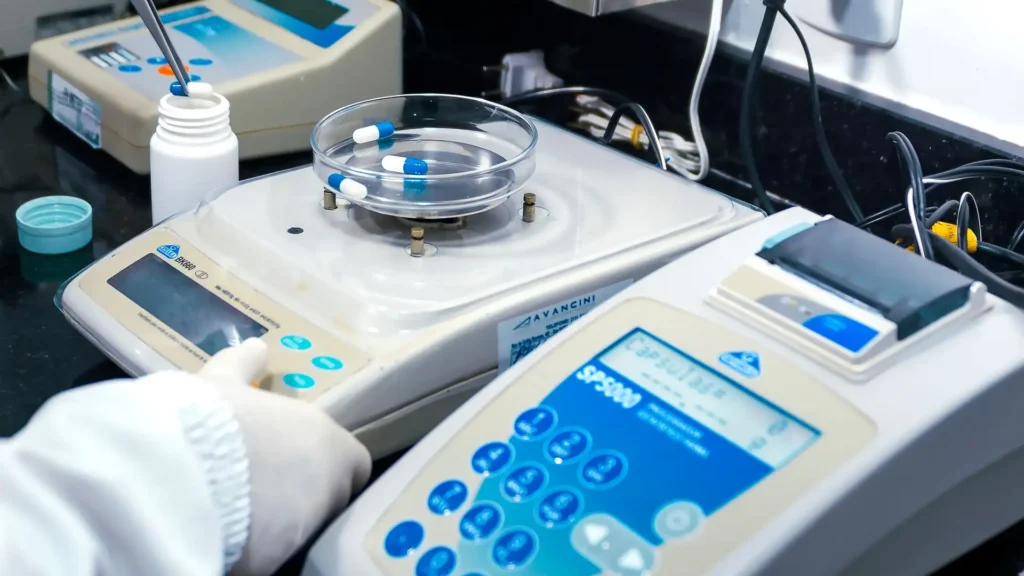
Modern medical research involves a lot of data. Researchers might be studying proteins, DNA, biomarkers, gels or blots, depending on what they’re trying to understand. And they need to actually be able to see and measure changes in those samples.
This is where laboratory imaging equipment becomes useful. For example, systems such as Syngene are used in life-science laboratories for things like gel documentation, fluorescence imaging and chemiluminescence. It sounds quite removed from pain management, and in a way, it is. The equipment isn’t treating anyone’s pain. It’s helping researchers collect the kind of laboratory evidence that can eventually support further research. If the data is unclear or unreliable, everything that comes after it becomes harder to trust. That’s why these seemingly small parts of the research process matter.
Eventually, People Enter The Picture
If the preclinical evidence is good enough, researchers can start clinical trials. Now the questions change. Instead of asking, “Does this produce the expected biological effect?” researchers need to find out things like:
- Does it appear safe in people?
- What dose should be used?
- Does it actually reduce pain?
- What side effects occur?
- Does it work better than an existing treatment?
Early clinical trials usually focus heavily on safety and dosage. Later phases involve larger groups of people and look more closely at effectiveness. By Phase 3, researchers may have hundreds or even thousands of participants, depending on the treatment and condition being studied. The FDA explains these different stages as part of the clinical research process. And yes, this can take a long time. But rushing it isn’t really an option.
Less Pain Doesn’t Always Mean Better Health
There’s another issue that makes pain research particularly difficult. Pain is subjective. Two people can have a similar medical condition and experience it very differently. And even when someone’s pain score improves, that doesn’t necessarily mean their life has improved in the same way.
- Can they sleep better?
- Can they walk further?
- Can they work?
- Can they exercise or manage normal daily activities again?
These things matter too. Researchers therefore look at more than just a number on a pain scale. Function and quality of life can tell a much bigger part of the story.
There are also limitations to animal pain models. The International Association for the Study of Pain notes that findings from experimental models do not always translate directly into human pain conditions. That’s another reason clinical testing matters so much.
Getting Approved Doesn’t Mean The Research Is Over
A treatment reaching the market can feel like the final step. It isn’t. Once a medicine is being used by a much larger number of people, researchers can learn things that weren’t obvious during clinical trials. Doctors continue to report side effects. Researchers study long-term outcomes. New evidence can show that a treatment is particularly useful for certain patients, less useful for others, or needs to be used differently.
Recommendations can change too. That’s not necessarily a sign that medical research got something “wrong.” It’s often what happens when more information becomes available.
So Why Does All Of This Take So Long?
Because there is a big difference between something that looks promising and something that’s actually useful for patients. A potential treatment has to survive several stages of testing. Researchers first need to understand the biology. Then they need laboratory evidence. Safety has to be assessed. Human trials have to be carried out properly. The results have to hold up under scrutiny. And even after approval, the treatment continues to be monitored.
For someone living with chronic pain, waiting for better treatments can obviously be frustrating. But the slow process has a purpose. The goal isn’t simply to find something that changes a laboratory result. It is to find something that can safely make a meaningful difference to an actual person dealing with pain every day. That’s the point where all those years of research finally matter.

Carla specializes in writing about post-surgery recovery, pain management, and practical health tips. With a compassionate approach, Carla shares actionable strategies to ease discomfort, promote healing, and empower readers with knowledge to make recovery smoother and less stressful.