Last Updated on April 7, 2026 by Beth Skwarecki
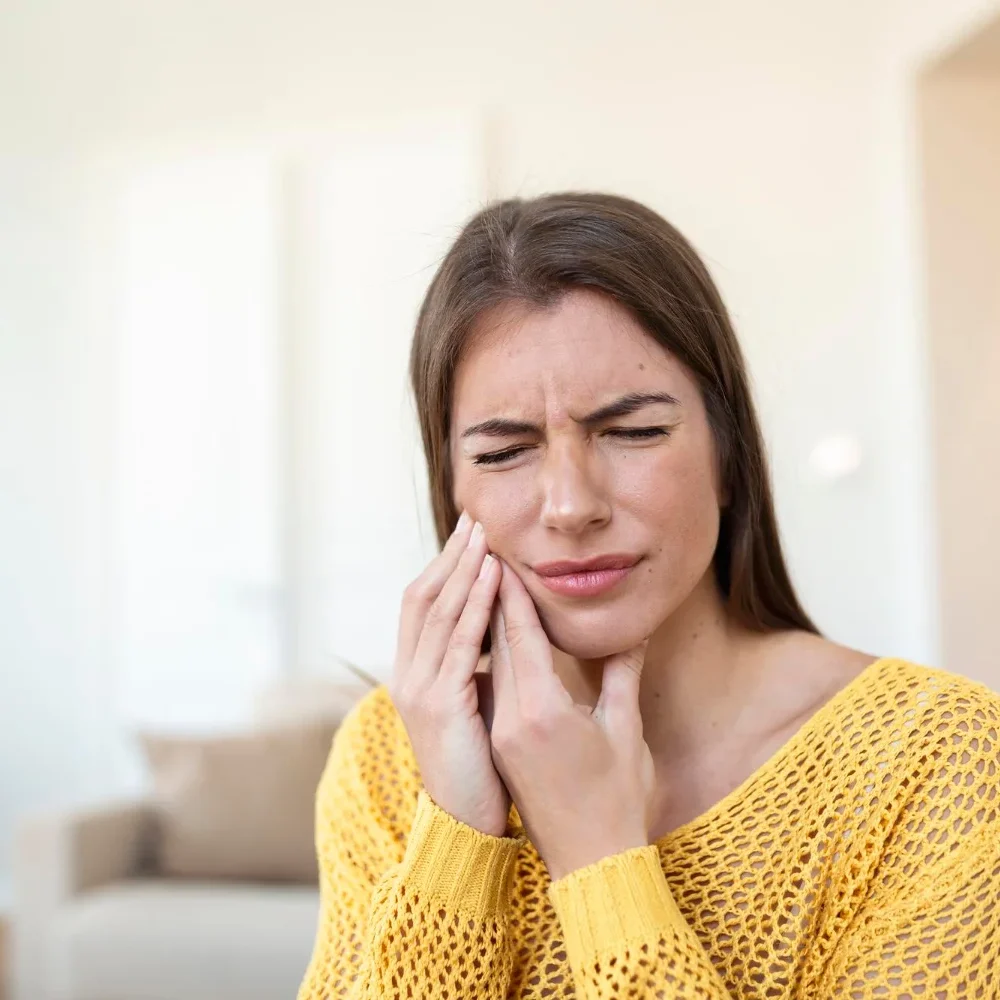
If you’re experiencing crown pain after a root canal, you’re not alone, it’s completely normal. After a root canal, the typical recovery period lasts a few days to about a week. During this time, the surrounding tissues are still healing, which can lead to sensitivity after root canal procedures, especially when biting or chewing.
Mild pressure sensitivity is normal shortly after getting a crown. However, if your tooth hurts after crown placement when you bite down or chew, it’s important to understand what’s causing it and when it may need professional attention. Below, we break down the most common reasons and what you can do about them.
Common Reasons Your Crown May Hurt Under Pressure
Several factors can contribute to pain when biting or chewing, including the natural healing of surrounding tissues, slight misalignment of the crown, or lingering infection in the treated tooth. Understanding these causes can help you manage the pain early and prevent further complications.
Inflammation of Surrounding Tissue
After undergoing a root canal and having a crown placed, it’s normal for the surrounding area, including the gums and periodontal ligament, to feel tender or irritated.
Even though the nerve inside the tooth has been removed, the nearby tissues can remain sensitive to pressure for a short period. This mild discomfort and inflammation are typical parts of the healing process and generally improve within a few days as the tissues recover.
High Bite or Misaligned Crown
A common cause of discomfort when biting after a dental crown is an improperly aligned bite. When the crown is slightly higher than the surrounding teeth, it can take on more pressure during chewing, leading to pain or sensitivity.
Addressing this issue with a professional bite adjustment can often relieve the discomfort quickly and restore balanced function.
Residual Infection
While root canal treatments are generally very successful, infections can occasionally persist or reappear. Residual bacteria may remain in small areas, leading to continued problems.
Signs that the infection may be ongoing include swelling, the presence of pus, throbbing pain, or discomfort that worsens over time.
If you experience these symptoms along with tooth pain after receiving a crown on a root canal-treated tooth, it is important to contact your dentist promptly to address the issue.
Cracked or Damaged Crown
Although a crown provides protection, the tooth beneath it can still develop cracks over time. These stress fractures often result from chewing forces or accidental trauma.
Indicators may include sharp pain when biting, heightened sensitivity to hot or cold, or persistent discomfort that doesn’t subside. If these symptoms appear, a dentist may recommend repairing or replacing the crown to restore proper function and comfort.
What You Can Do at Home
If your discomfort is mild, there are several simple ways to manage it:
- Take over-the-counter pain relievers like ibuprofen or acetaminophen
- Avoid chewing hard or sticky foods on the affected side
- Rinse your mouth with warm saltwater to reduce inflammation
- Stick to softer foods while your tooth heals
These steps can significantly reduce sensitivity after root canal procedures and improve comfort.
When to See Your Dentist Immediately
While mild discomfort is normal, certain symptoms should not be ignored. Contact your dentist if:
- Pain lasts longer than 1–2 weeks
- Discomfort becomes severe or worsens
- You notice swelling, fever, or pus
- The crown feels loose, uneven, or chipped
If you’re dealing with persistent bite hurts after dental crown problems, a professional evaluation is essential. A trusted family dentist can quickly diagnose and fix the issue.
Preventing Future Crown-Related Pain
To avoid future issues with your crown:
- Maintain proper oral hygiene, including brushing and flossing daily
- Visit your dentist regularly for checkups and cleanings
- Address bite discomfort early before it worsens
- Follow post-procedure care instructions carefully
If you are planning to get a dental crown or want to prevent damage to your existing crown, and you live in Arlington, VA, visiting an experienced provider for dental crowns in Arlington VA can help ensure a proper fit and long-term comfort.
FAQs
Managing Crown Pain After Root Canal
Experiencing tooth hurts after crown placement when put pressure on it can feel concerning, but it’s often part of the normal healing process. Mild root canal recovery pain or temporary sensitivity usually improves within days. However, persistent or worsening dental crown pressure pain may signal issues like bite misalignment, infection, or structural damage.
The key is to monitor your symptoms and act early if something doesn’t feel right. With proper care, timely adjustments, and guidance from a qualified dental professional, your crown should feel comfortable and function just like a natural tooth again.

Kellie covers all things dental—from oral hygiene tips to expert-backed insights on common dental issues. Kellie aims to make dental care simple and approachable, guiding readers toward brighter smiles and healthier oral habits that last a lifetime.