Last Updated on March 9, 2026 by Beth Skwarecki
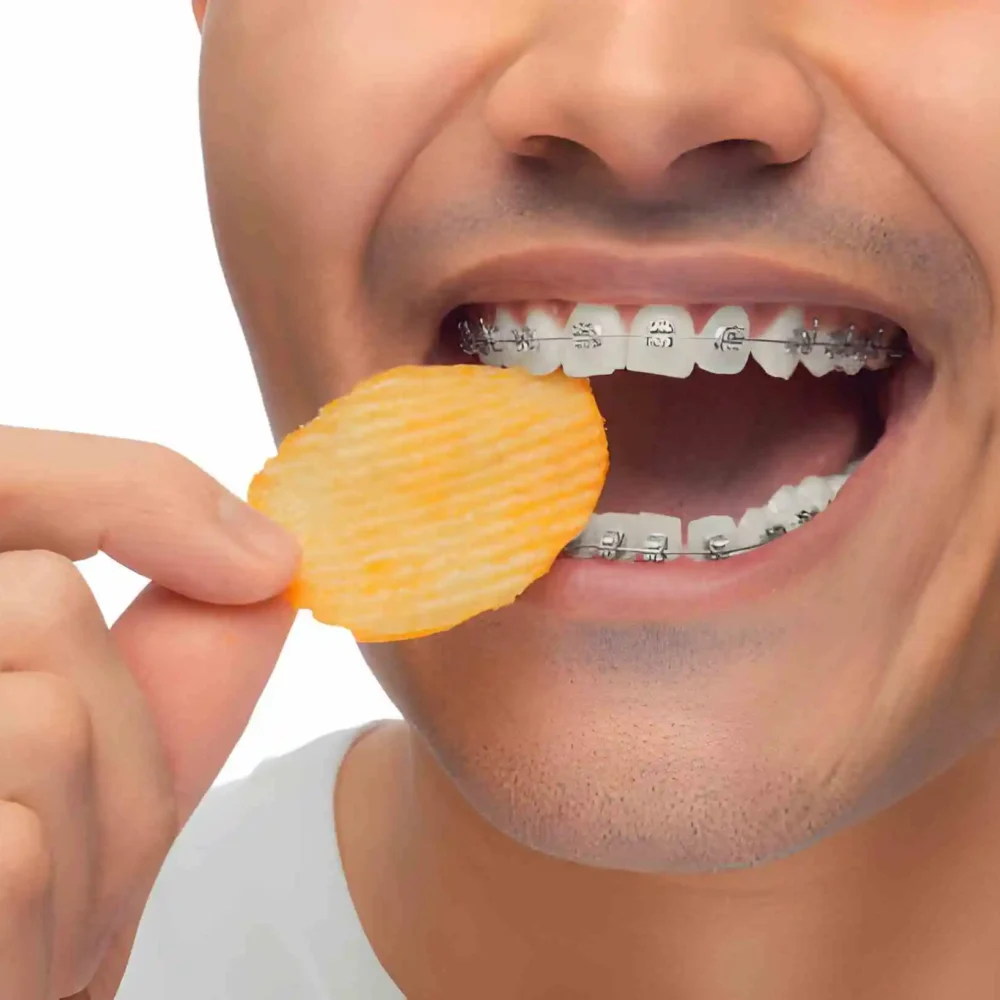
If you’re wearing braces (or clear aligners like Invisalign), one of the most common questions patients ask is: “Can I still eat chips?” The short answer is yes, but only certain types—and with precautions. Crunchy snacks are a staple in American diets, but they can pose real risks to your orthodontic appliances.
As a dental hygienist who’s worked closely with orthodontists and patients for years, I’ve seen firsthand how food choices impact treatment progress. This guide is updated for 2026, drawing from the latest recommendations by the American Association of Orthodontists (AAO) to help you snack smarter, avoid emergencies, and keep your treatment on track.
The AAO emphasizes avoiding hard, crunchy foods like many chips because they can break brackets, bend wires, or get stuck in appliances—leading to discomfort, extra appointments, and potential delays in achieving your dream smile.
Fun fact: The global potato chip market is booming, projected to grow at 4.35% annually through 2029, with 94% of U.S. households munching on them regularly. But for braces wearers, not all chips are created equal. Let’s dive in.
Why Chips Can Be a Problem with Braces
Braces are delicate: they consist of brackets bonded to your teeth, wires that apply gentle pressure, and sometimes rubber bands or other appliances. Hard, crunchy foods like chips can wreak havoc by:
- Damaging hardware: The force from biting down can loosen brackets, bend wires, or snap bands, leading to emergency visits and delays in your treatment.
- Causing oral injuries: Sharp chip edges or fragments can cut your cheeks, lips, or gums, increasing infection risk.
- Trapping debris: Starchy crumbs get stuck in braces, promoting plaque buildup, tooth decay, and white spots on enamel if not cleaned promptly.
- Prolonging treatment: Frequent damage means more adjustments, potentially adding months to your braces journey.
According to a 2025 AAO update, about 20% of orthodontic emergencies stem from food-related issues. That’s why orthodontists recommend avoiding hard foods—but softer chips can still be enjoyed with caution.
For those with Invisalign (clear aligners), the rules are similar: remove trays before eating, but hard chips can still chip teeth or cause aligner damage if you’re not careful.
Safer Chip Options: What Chips Can You Eat with Braces?
Yes, you can eat chips with braces if you choose soft, thin, or puffed varieties that require minimal force to chew. These break down easily and are less likely to damage your orthodontics.
Based on patient feedback and top orthodontic guidelines, here are the best options:
- Pringles: Their thin, uniform shape and softer crunch make them a top choice. Eat one at a time to avoid stacking pressure—perfect for satisfying that salty craving without risk.
- Baked Lays or similar baked chips: Lower in oil and crunch, these are gentler on braces. Opt for plain or lightly flavored to minimize stickiness.
- Cheese Puffs (e.g., Cheetos Puffs): Airy and soft, they melt in your mouth. Avoid the crunchy original Cheetos, but puffs are braces-approved in moderation.
- Veggie Straws or Puffs: Made from veggies like potatoes and spinach, these are light, high in fiber, and low-calorie. They’re a healthier swap with minimal crunch.
- Pirate’s Booty or puffed corn snacks: These cheese-flavored puffs are soft and dissolve quickly, making them ideal for braces.
Pro tip: Homemade baked chips are a great DIY option. Slice potatoes thin, bake at 200°C for 20-25 minutes with a light oil spray, and season mildly. This lets you control the texture for maximum safety.
Brace-Friendly Chips Rating Table
To make it easy, here’s a quick comparison of popular chips based on braces safety (rated 1-10, where 10 is safest):
| Chip Type | Safety Rating | Why It’s Safe/Unsafe | Best Way to Eat |
|---|---|---|---|
| Pringles | 9/10 | Thin, breaks evenly; low force needed | One at a time, back teeth only |
| Cheese Puffs | 9/10 | Airy, melts fast; minimal crunch | Let dissolve, rinse after |
| Baked Lays | 8/10 | Softer than fried; less oily | Small bites, no stacking |
| Veggie Straws | 8/10 | Light texture, healthy alternative | Break into pieces if needed |
| Pirate’s Booty | 9/10 | Puffed and soft; cheese flavor bonus | In moderation, brush afterward |
Ratings based on common patient experiences and orthodontic advice—nothing scores a perfect 10 since all chips carry some cavity risk from starch/sugar.
Chips to Strictly Avoid with Braces
Steer clear of hard, thick, or jagged chips because these are the biggest culprits for damage. From my clinic experience, these often lead to the most repairs:
- Tortilla Chips: Sharp and brittle; they splinter easily and can poke wires or cut gums.
- Kettle-Cooked or Thick-Cut Chips (e.g., Ruffles, Kettle Brand): Extra crunch means extra force—avoid to prevent bent wires.
- Doritos: Flavored coating is sticky, and the crunch can loosen brackets.
- Takis or Rolled Chips: Intensely hard and spicy; they rank low (1-2/10) for braces safety.
- Cheetos (Crunchy): Too tough; opt for puffs instead.
- Fritos or Corn Chips: Dense and hard; they get stuck and cause irritation.
- Popcorn: Not a chip, but similar—kernels are a no-go.
Other crunchy no-gos include popcorn, nuts, hard pretzels, and ice—common causes of damage.
If you crave crunch, try alternatives like soft pretzels, rice cakes topped with peanut butter, or sliced apples (cut small to avoid direct biting).
Precautions and Tips for Eating Chips with Braces
Even with safe chips, smart habits are key. Here’s how to snack without setbacks:
- Take small bites: Use your back molars, not front teeth. Break chips into smaller pieces with your fingers first.
- Eat one at a time: No handfuls—this reduces pressure on brackets.
- Rinse and clean immediately: Swish with water, then brush and floss. Carry a travel kit for on-the-go hygiene.
- Limit frequency: Treat chips as an occasional snack (1-2 times/week) to avoid plaque risks.
- After adjustments: Wait 1-2 days post-tightening when teeth are sensitive; start with softer foods.
- For kids/teens: Supervise to ensure safe eating—braces are an investment in their smile!
Maintaining oral hygiene is crucial: Brush after every snack to prevent decay, as starch from chips feeds bacteria.
Benefits of Following Braces-Safe Snacking Rules
- Fewer emergency visits and repairs (saving time and money).
- Reduced risk of decay, white spots, or gum issues.
- Faster, smoother treatment progress.
- Less discomfort from pokes or irritation.
Patients who stick to guidelines often complete treatment ahead of schedule!
FAQs
Quick Summary Table for Easy Reference
| Snack | Safe with Braces? | Why / Key Tips |
|---|---|---|
| Pringles | Yes (safer option) | Thin & break easily; one at a time |
| Tortilla chips | No | Hard, sharp, high damage risk |
| Ruffles | No | Ridged & extra crunchy |
| Lay’s (regular) | Yes (in moderation) | Thinner; eat carefully, one by one |
| Chips Ahoy | Mostly no | Hard/crunchy; soft versions or dunked maybe |
| Kettle chips | No | Very hard & dense |
Final Thoughts
You can enjoy chips with braces by choosing soft, puffed, or baked options like Pringles, cheese puffs, and baked Lay’s—while eating carefully and cleaning thoroughly. Following AAO guidelines protects your appliances, speeds up treatment, and keeps your oral health strong.
A straighter smile is worth the small adjustments! If you have questions about your specific braces or hygiene routine, consult your orthodontist or hygienist.
This article is for informational purposes and aligns with AAO recommendations. Always follow your orthodontist’s personalized advice.

Kellie covers all things dental—from oral hygiene tips to expert-backed insights on common dental issues. Kellie aims to make dental care simple and approachable, guiding readers toward brighter smiles and healthier oral habits that last a lifetime.